

How to teach your baby to Self Soothe
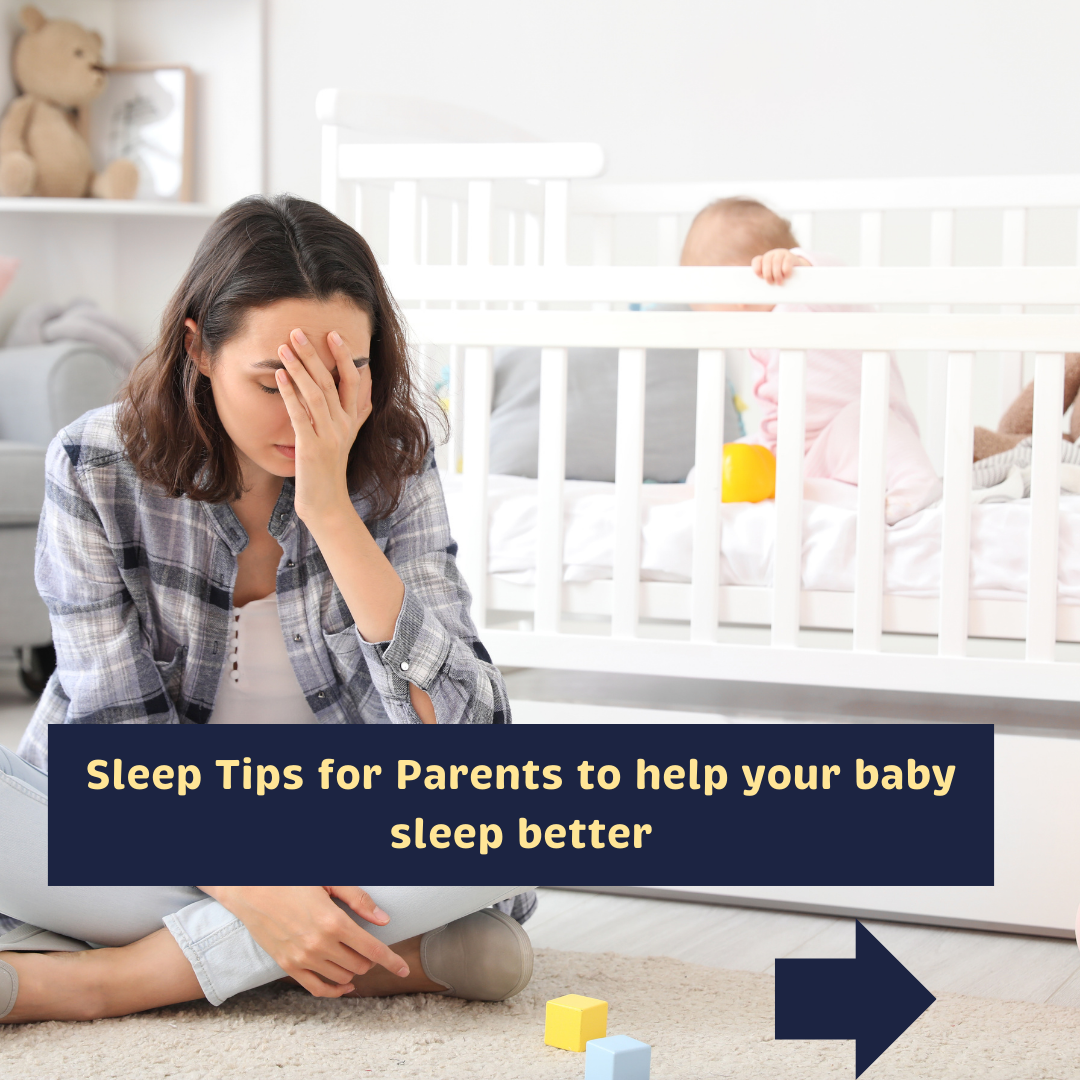
As a Child Sleep Consultant, I know how daunting it can feel for sleep-deprived parents to put their baby in the cot and step out of the room. Until now, your baby has learned to cry for attention, and their cries have been met with feeding or help to fall asleep. They haven't learned yet that they can soothe themselves to sleep. This self-soothing is a crucial skill we need to teach them, similar to other developmental milestones. With patience and consistent practice, your baby will learn to settle themselves.
Here are some steps to help your baby learn to self-soothe
Establish a Consistent Sleep Routine
A consistent sleep routine is key to helping your baby understand when it’s time to sleep.
- Bedtime Routine: Develop a bedtime routine that includes activities such as a bath, reading a book, or singing a lullaby. These activities signal to your baby that it’s time to wind down.
- Predictable Schedule: Maintain a regular daily schedule with consistent nap times and bedtimes. Predictability helps your baby feel secure and understand what to expect.
Optimise the Sleep Environment
The right sleep environment can make a big difference in how easily your baby can fall asleep and stay asleep.
- Dark Room: Ensure your baby’s sleep environment is dark and quiet.
- Comfortable Temperature: Keep the room at a comfortable temperature.
- White Noise: Consider using a white noise machine to drown out household sounds that might wake your baby.
Put Baby Down Drowsy but Awake
One of the most important steps in teaching self-soothing is to put your baby down when they are drowsy but still awake.
- Drowsy but Awake: Place your baby in their crib when they are drowsy but awake. This helps them learn to fall asleep on their own.
- Avoid Sleep Props: Avoid letting your baby fall asleep while feeding or being rocked. They should learn to fall asleep in their crib.
Consider the approach
You need to decide on what approach to take to help your baby self soothe. I work with families on lots of different gentle ways to get their babies to self-soothe, one of the most popular ones is the Gradual Extinction Method .The gradual extinction method helps your baby learn to self-soothe by gradually increasing the intervals between checks.
- Check and Console: If your baby cries after being put down, wait a few minutes before going in to check on them. Gradually increase the waiting time. This gives them space and the opportunity to self soothe.
- Brief Comfort: When you do go in, keep the interaction brief and calm. Avoid picking your baby up or feeding them. Simply reassure them with your presence and voice.
- Increase Intervals: Gradually increase the intervals between checks. This helps your baby learn to self-soothe and fall back asleep on their own without you coming to rescue them too soon.
Implement an Early Bedtime
An early bedtime can help prevent your baby from becoming overtired, which can make it harder for them to fall asleep and stay asleep.
- Early Bedtime: Establish an early bedtime to help your baby get the sleep they need and prevent overtiredness.
Be Consistent
Consistency is crucial when teaching your baby to self-soothe.
- Consistent Response: Be consistent in your approach. Inconsistency can confuse your baby and make it harder for them to learn to self-soothe.
Allow Some Fussing
Allowing your baby some time to fuss .Remember up until now your baby only knows to cry for attention. When they cry you feed them or help them sleep. They don't know that they can soothe themselves. They don’t actually know yet that they don’t need you. It's ok to to let your baby fuss a bit. This teaches them that they can handle being alone and can self-soothe.
Conclusion
As a Child Sleep Consultant, I guide parents through teaching their baby to self-soothe by establishing a consistent sleep routine, creating a conducive sleep environment, and employing methods like gradual extinction. The goal is to equip your baby with the ability to fall asleep independently, fostering healthy sleep habits for both your child and your family. With patience and consistent practice, your baby will learn this valuable skill, leading to more restful nights for everyone.
Remember, teaching your baby to self-soothe is just as important as other developmental milestones. It’s okay to provide them with space and opportunity to master this skill under your thoughtful guidance. With consistency, your baby will learn to sleep independently, enhancing overall family rest.
If you need support on this journey, book a free 15-minute sleep consulting discovery call with me. Together, we can ensure that your baby—and your entire family—gets the restful sleep you all deserve
Popular Articles
- I'm scared to Sleep Train. Will it damage my child? Do I need to leave them Cry it Out?
- Before & After: A Sleep Transformation Story You Need to Hear
- Regression? No, They’re Progressions. How Developmental Milestones Can Affect Sleep.
CulaBaby Products
CulaBaby Sleep Shade, CulaBaby Silk Pillowcase, CulaBaby Silk Scrunchies
Transform Your Child's Sleep
Choose the perfect package to help your child sleep better with our child sleep consultancy packages
2 Week Support Package 4 Week Support Package 60 Minute Guidance Call
Written by Liadhán Collins

Leave a comment
This site is protected by hCaptcha and the hCaptcha Privacy Policy and Terms of Service apply.