

How to Get Your Baby to Nap on the Go – And Why a Pram Sleep & Sunshade Can Help
As a parent, one of the biggest challenges is figuring out how to keep your baby’s sleep on track while still living your life — whether that’s juggling routines, school runs, or getting out of the house.
You might be wondering:
“Can my baby nap out and about?”
“Will this ruin their routine?”
The good news is — naps on the go are absolutely possible.
Now, as a Child Sleep Consultant in Ireland, I would always say that naps at home, in a calm, darker and less stimulating environment, can often be easier to achieve. As babies get older, they become increasingly curious and aware of everything happening around them. Reducing bright light, movement and visual distractions can make it easier for some babies to switch off and settle for a nap.
But with the right conditions, naps on the go — especially that third nap — can work really well and won’t undo your progress.
I’ve worked with many families where naps had to happen on the move, and we’ve still achieved great overall sleep. Because in reality, it’s not just where your baby naps that matters — it’s how those naps are supported.
Why Some Babies Can Struggle to Nap in the Pram or Buggy
As babies get older, they become naturally more curious and interested in the world around them. When they're in the pram or buggy, there can be a lot to take in:
- Bright Light
- Movement
- People and changing surroundings
- Lots of visual stimulation
Some babies will happily nap through it all, while others can find it much harder to switch off when there’s lots happening around them.
At home, we can usually create a calmer, more consistent sleep environment. When we're out and about, everything around your baby is constantly changing.
Why a Standard Pram Sunshade Often Isn’t Enough
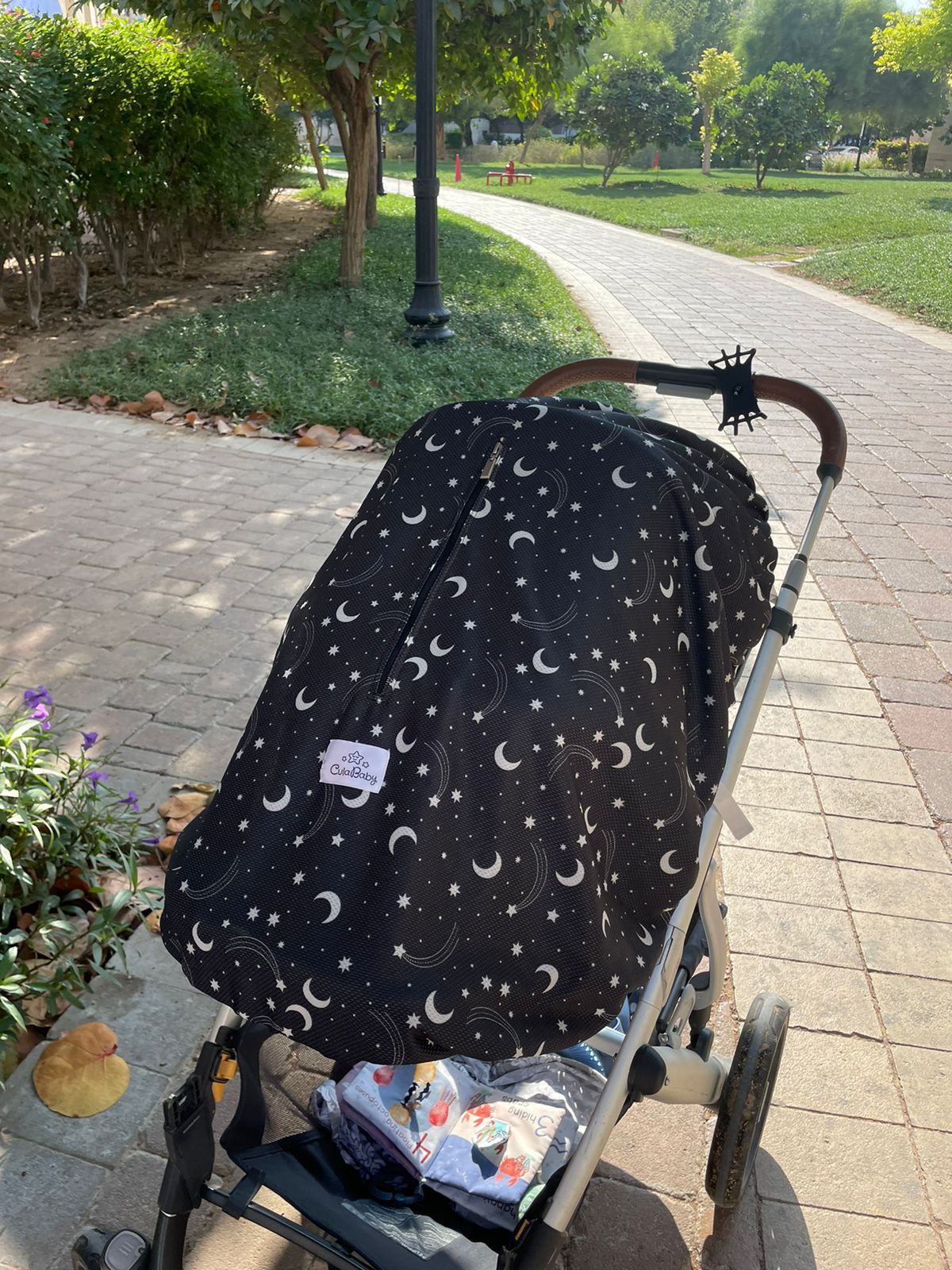
Most are designed primarily for sun protection, rather than creating a sleep-friendly environment. The CulaBaby Sleep & Sun Shade was designed differently. As well as providing sun protection, it helps to:
- Reduce bright light
- Reduce visual stimulation and distractions
- Create a darker, calmer environment for naps on the go
For a curious baby who finds it difficult to switch off when there's lots happening around them, creating a calmer space can make naps on the go that little bit easier.
The Key to Successful Naps on the Go
When supporting naps on the go, think about creating an environment that is:
- Calm
- Darker and less visually stimulating
- Comfortable and familiar
We can't recreate your baby's exact home sleep environment when we're out and about — and we don't need to. The aim is simply to reduce some of the stimulation around them and give them a better opportunity to settle.
Practical Tips to Improve Naps on the Go
- Think about nap timing — aim for a time when your baby has built sufficient sleep pressure and is showing signs they're ready for sleep
- Watch your baby's individual sleepy cues, rather than following the clock to the exact minute
- Reduce bright light and visual stimulation where possible
- Consider white noise to soften unfamiliar background sounds
- Give your baby a few minutes to settle rather than expecting sleep the moment the pram starts moving
Creating a Sleep-Friendly Pram Environment
One of the simplest things you can do when your baby needs to nap on the go is reduce some of the bright light and visual stimulation around them.
This is where a pram sunshade designed for sleep can completely change things.
Unlike a standard baby sunshade designed primarily for sun protection, the CulaBaby Baby Pram Sunshade & Sleep Shade was created to help:
- Reduce bright light
- Reduce visual stimulation and distractions
- Create a darker, calmer and less stimulating sleep-friendly space
- Provide sun protection
- Maintain airflow through its fully breathable double-layer mesh
It's about creating a more sleep-friendly environment for naps on the go, without relying on blankets or other coverings that may restrict airflow.
Why Daytime Sleep Matters
Daytime sleep is an important part of your baby's overall sleep needs.
When naps are consistently very short or missed, some babies may reach the end of the day increasingly tired, which can make bedtime more challenging.
But it's important to look at your baby's whole 24 hours of sleep, rather than assuming that one short nap will ruin the night.
Nap timing, total daytime sleep, bedtime, your baby's individual sleep needs and how they settle can all play a role.
The goal isn't perfect naps every day — it's helping your baby get the sleep they need while still allowing you to get out and live your life.
Naps on the Go (Without the Stress)
Life doesn’t stop for naps.
There are:
• School runs
• Walks
• Errands
• Holidays
And you shouldn’t feel like you have to stay home to protect sleep.
With a little planning around timing and a calmer, less stimulating sleep environment, naps on the go can absolutely be part of a healthy sleep routine.
Need Support With Your Baby’s Sleep?
If contact naps, nap refusal, or short naps have become part of daily life — you are not alone.
And you don’t have to figure it out by yourself.
Working with a Child Sleep Consultant in Ireland can bring clarity, structure, and calm back into your child’s sleep — and into your home.
Start With a Free Sleep Assessment Call
The best way to begin is by booking a Free 15-Minute Sleep Assessment Call
During this call we will:
✔ Talk through your current sleep challenges
✔ Explore what may be causing them
✔ Look at your child’s sleep patterns
✔ Identify the right support for your family
Book your free 15-minute call here
Final Thoughts
Better sleep is possible.
With the right timing, environment and support, you can give your baby a better opportunity to settle and sleep when naps need to happen away from home.
Because supporting your baby's sleep shouldn't mean feeling like you can never leave the house

Written by Liadhán Collins


Leave a comment
This site is protected by hCaptcha and the hCaptcha Privacy Policy and Terms of Service apply.